Ebey Slough, the Old Levees and the Qwuloolt Estuary
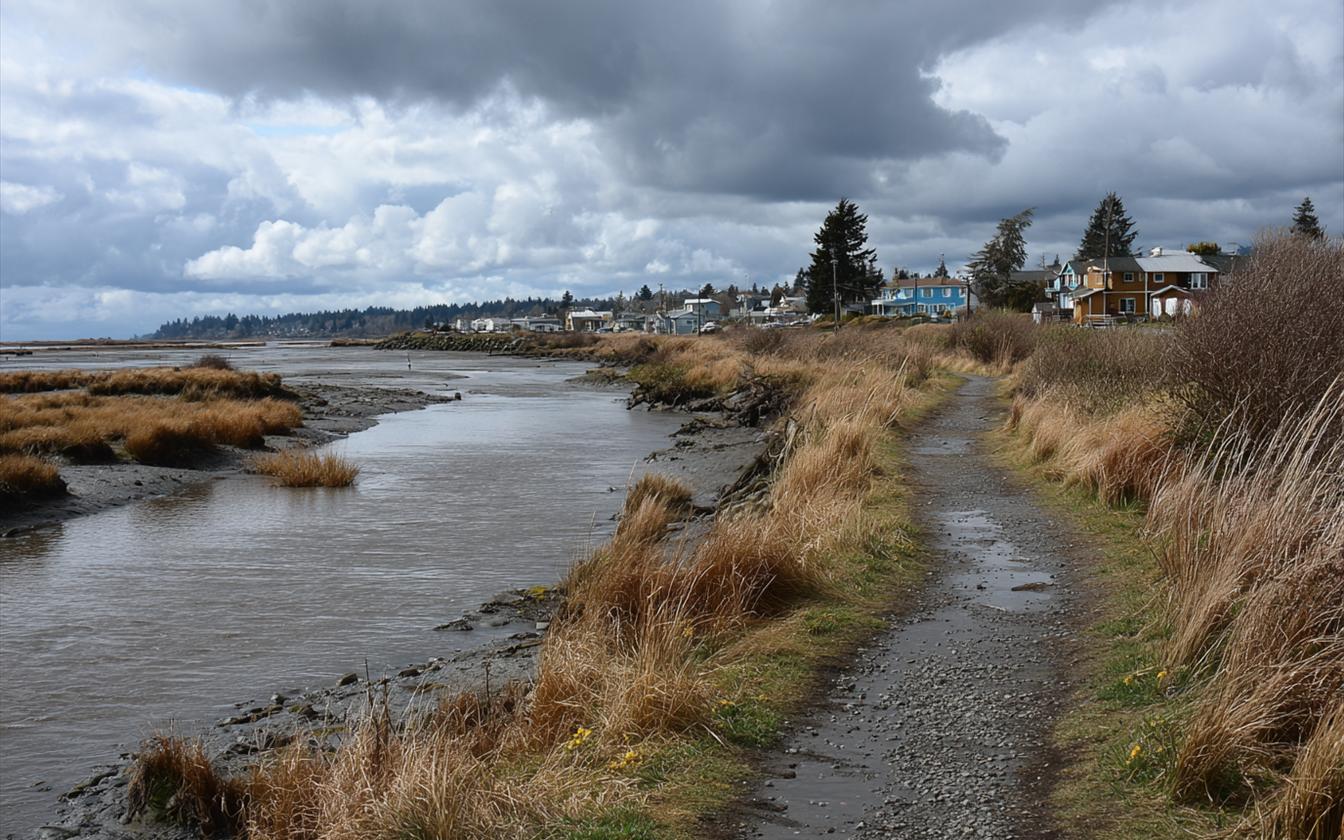
Why the town's edge is levee country, and the levee that was cut on purpose.
DOWNTOWN & THE WATERFRONT, MARYSVILLE
Water under the floor or a stain in an older downtown house? One number for the slough side of town.
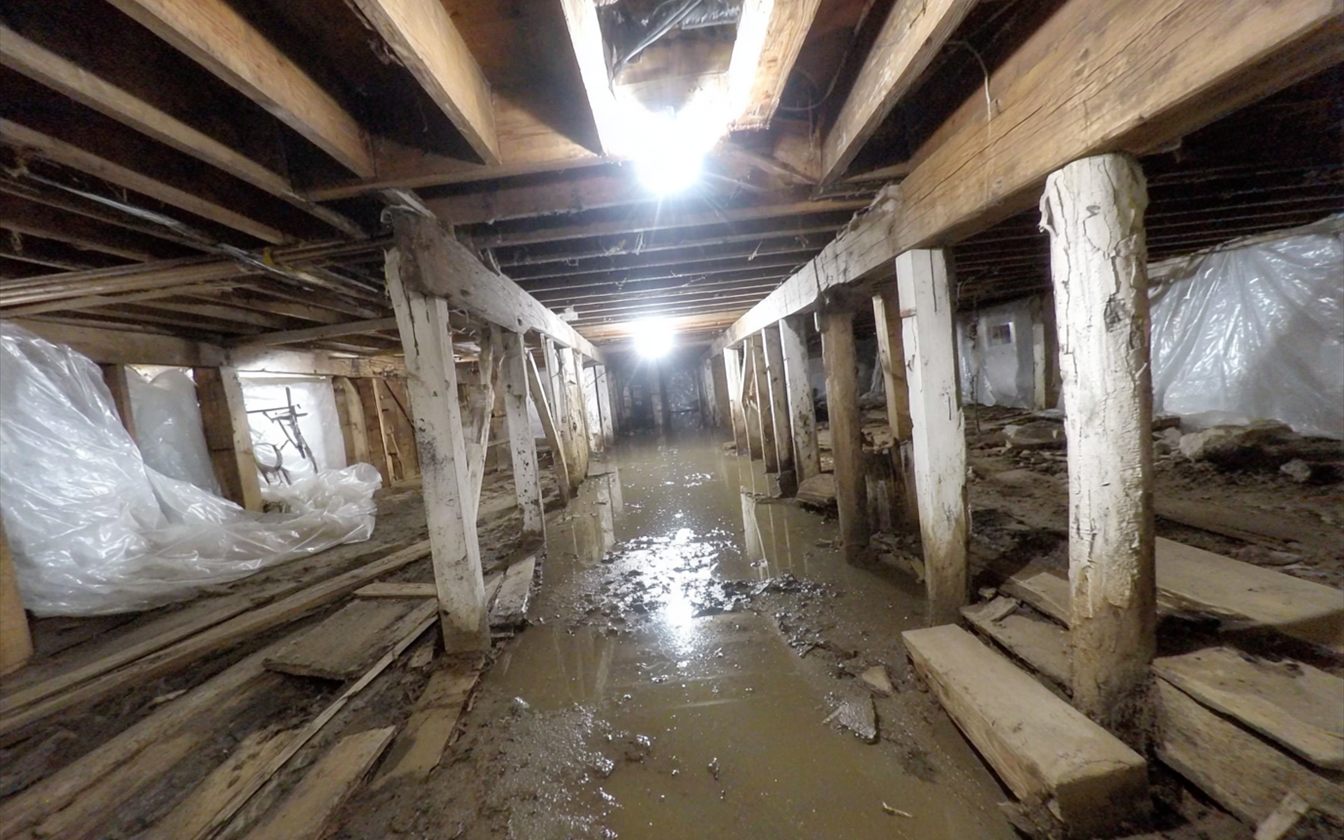
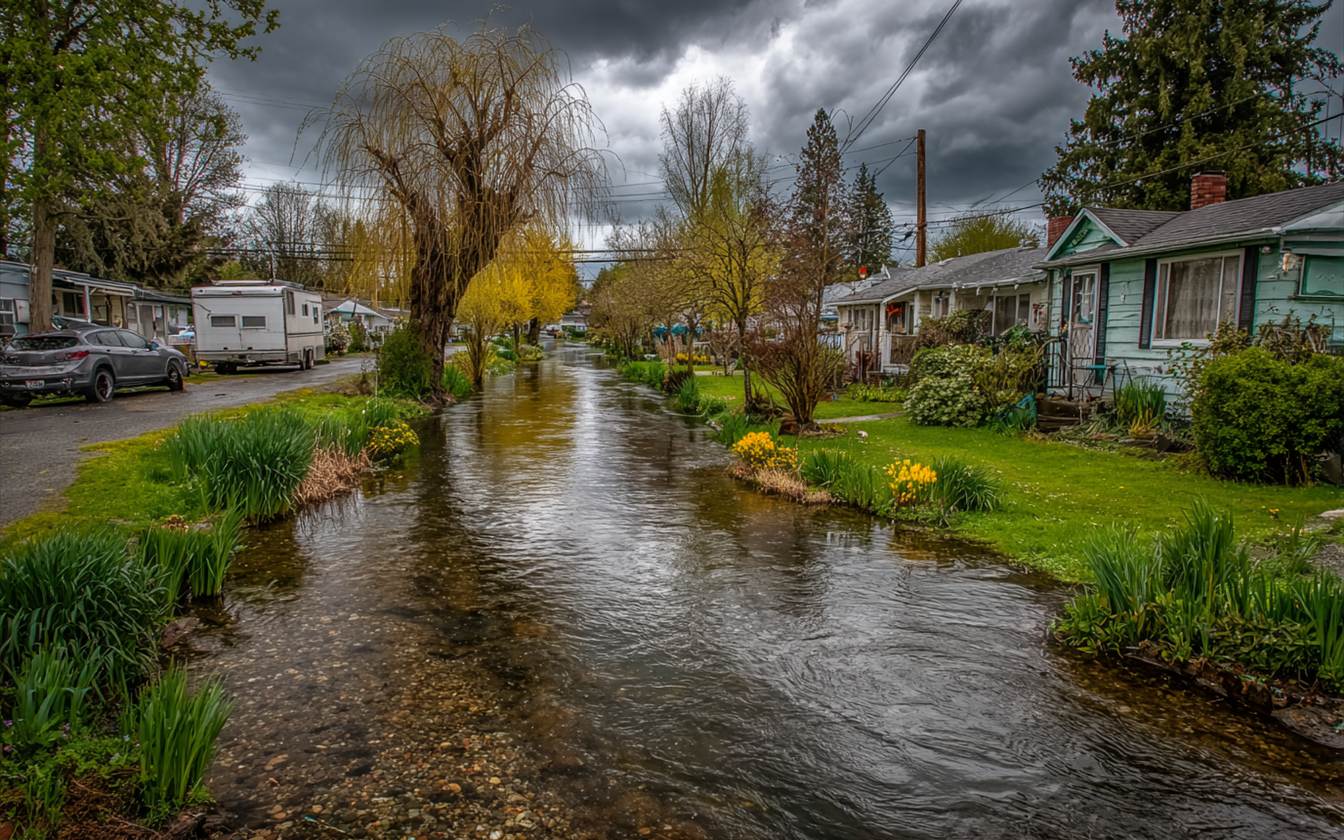
Downtown is where Marysville began, on the north shore of Ebey Slough. By 1910 ten sawmills worked that shoreline, and the Great Northern Railway had crossed the slough on a drawbridge in 1891. A road bridge across the slough and the Snohomish River estuary followed in 1927. The ground here is low and flat, close to the tide and the water table. In winter the soil under many houses stays wet for months, and a crawlspace can hold standing water without anyone looking. Older houses add older plumbing, so downtown calls tend to mix the two problems: water from below, and water from a line that has been patched before.
In the oldest houses, water damage often hides under layers: flooring laid over flooring, walls refinished more than once. Expect the company to check underneath and behind, not just at the spot you noticed.
From Downtown & the Waterfront, most calls fit one of these: a stain on the ceiling or wall, a floor that changed, a pipe, heater or appliance, yard and creek water, water standing now, or the full restoration and mitigation job.
Marysville's water damage line: (360) 502-8980.
Call (360) 502-8980If the water only shows up after long rains, say so when you call. That points toward ground water under the house rather than a broken pipe.
Why the town's edge is levee country, and the levee that was cut on purpose.
What happens under a house on wet ground, and how it gets dried.