
The equipment is gone, the drywall is back, the floor is down and the paint is dry. It's tempting to move the furniture back and forget the whole thing. A careful last walkthrough, before you sign off, is worth an hour. It's your chance to confirm the house really is dry, that the rebuild matches what was agreed, and that you have the paperwork you'll want if a question ever comes up.
Before the Rebuild Starts
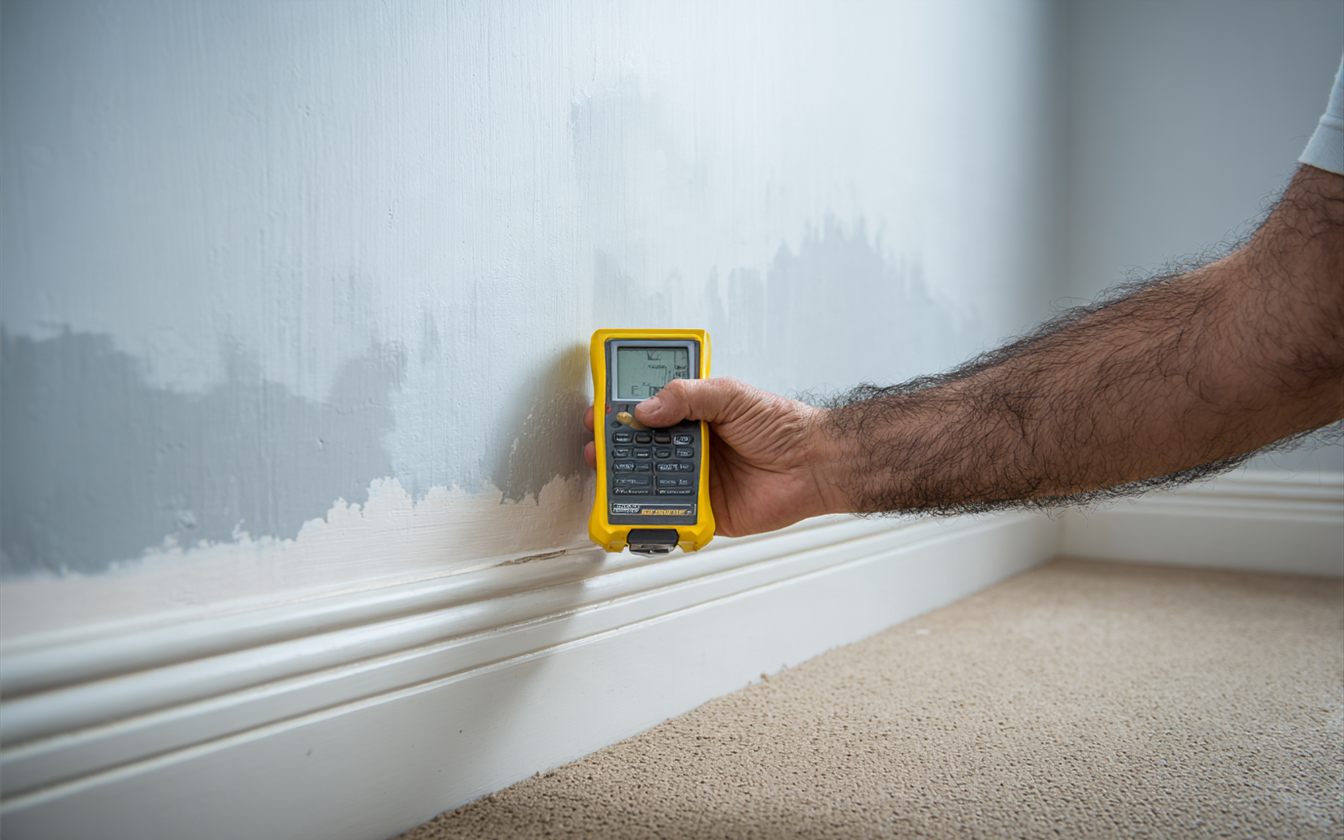
The most important check happens earlier than most people expect: before anything is closed up. Once drywall and flooring go back, any moisture left in the framing or subfloor is sealed in. Ask to see the final readings before rebuilding begins. They should show the wet materials back to the same levels as the dry reference spots elsewhere in the house. If they aren't there yet, the drying isn't finished.
The Walkthrough
| Check | What you're looking for |
|---|---|
| The final moisture readings | Every affected area back to the dry reference levels, in writing |
| The smell | No damp or earthy odor, especially near floors, closets and crawlspace vents |
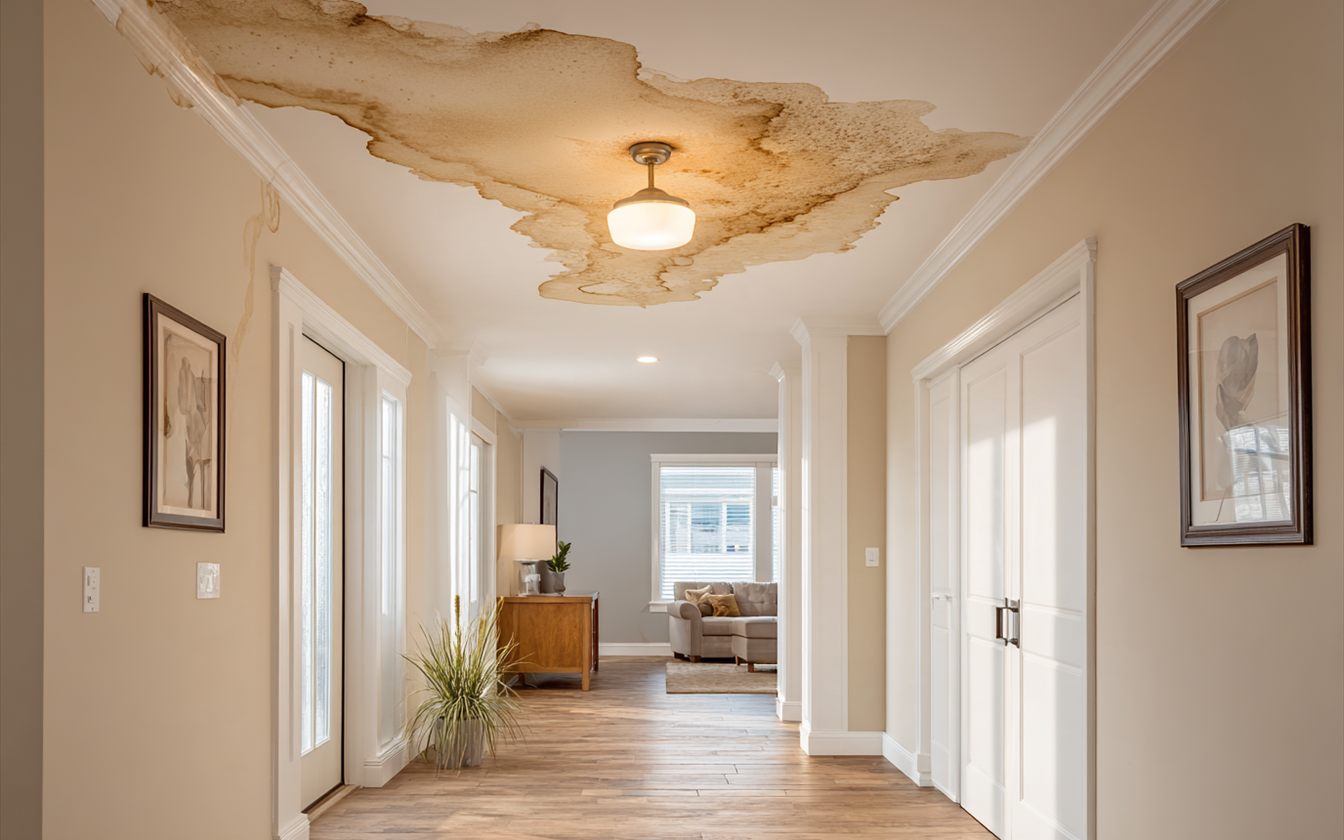
| Ceilings | Patches flat, texture matched, no new marks |
| Walls | Seams invisible, baseboards tight to the wall and floor |
| Floors | Seams flat and tight, no soft spots, transitions finished, flooring under cabinets and appliances done |
| Cabinets | Toe kicks back on, doors and drawers working, no swelling |
| Crawlspace | Insulation back in place, vapor barrier down and intact, no standing water |
| Fixtures | Lights, fans, outlets and appliances in the affected rooms working |
| Cleanup | Dust and debris gone, including from vents and window sills |
Bring the written scope and check each item against it. Anything that's missing or not right goes on a short list for the company, in writing.
Smells, Stains and Second Thoughts
Some things show up only after the house has been lived in again for a while: a faint stain coming through new paint, a damp smell when the heat comes on, a floor seam that lifts in the first wet month. Any of these can mean moisture was left behind, or that the original source wasn't fully fixed. Don't wait to see if it goes away. Call the company that did the work, tell it what changed and where, and ask for a moisture check. Keep your photos of the finished work so you can show what changed.
The First Wet Season Afterward
If the water came from outside, through a crawlspace, a garage or a low wall, the real test comes with the next long stretch of rain. Repairs inside the house don't change the ground outside. Before the fall rains, clear the gutters, check that the downspouts empty well away from the foundation, and look under the house after the first big storm. If you see water again, call early, because a second round caught quickly is far smaller than the first. If the water came from a fixture or an appliance, the next season matters less than the next few weeks. Watch the repaired area while the new materials settle.
The Paperwork to Keep
- The signed scope and any changes to it
- The moisture log, with the final readings
- Photos from before, during and after
- The list of items removed or thrown away
- Invoices, payments and any warranty terms from the company
- Your insurer's claim number and final paperwork
Keep these with your house records. If you sell the house, the seller disclosure may ask about past water damage, and records showing it was properly dried and repaired help answer that clearly.
Putting the House Back
Move furniture back slowly. Put felt pads under legs on new floors, and keep heavy pieces off fresh carpet for a day if the installer asks. Run bathroom and kitchen fans as usual, and keep the house heated normally through the first winter so new materials settle evenly. If the water came from an appliance or a fixture, check that area every few weeks for a while. If it came from outside, watch the crawlspace after the next big rain.
Questions
How long should I wait before moving back in?
That depends on how much work was done and whether the house is safe and usable during the rebuild. The company can tell you which rooms are ready and when.
What if the readings were never shared with me?
Ask for them. Restoration companies that measure moisture keep a log, and you're entitled to see what was recorded about your house.
Is it normal for new paint to look slightly different?
A small difference in sheen can happen if only part of a room was repainted. A stain bleeding through is different. It can mean moisture or an unsealed stain underneath, and the company should look at it.
Around Marysville
A final walkthrough matters after any job, whether it was a kitchen leak in Lakewood, an upstairs laundry in Whiskey Ridge or a lakeside crawlspace in Lake Stevens. The steps before it are on restoration and mitigation and when the floor changes.
EPA guidance on moisture and indoor air at home
What a Water Damage Inspection Looks At
Meters, thermal cameras, and why some walls get opened.
Reading a Water Stain on the Ceiling
What a stain's shape, color and location suggest about its source.